
Can I Feed My Cat Raw Meat: Essential Tips for Safe Feeding

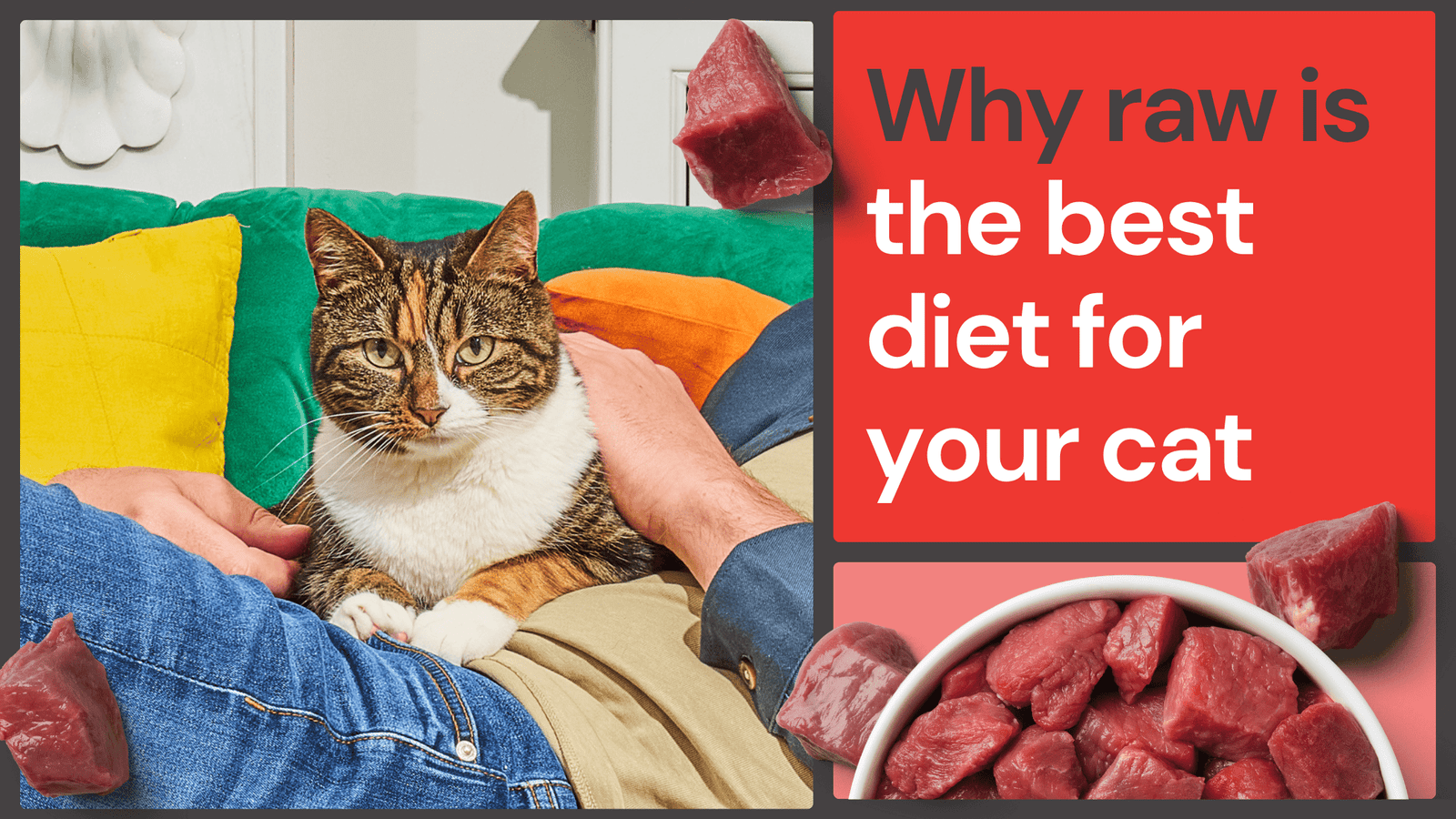
Are you wondering if you can feed your cat raw meat? You want the best for your furry friend, but the idea of raw food might leave you unsure.
Raw meat sounds natural and healthy, but is it really safe? What should you know before making this choice?
Keep reading to discover the truth about feeding your cat raw meat and how to do it the right way. Your cat’s health and happiness depend on it.
Benefits Of Raw Meat Diet
Feeding cats raw meat has become popular among pet owners. Many believe it offers health benefits that processed foods lack. Understanding these benefits helps decide if this diet suits your cat.
Raw meat diets aim to provide natural nutrition closer to what cats eat in the wild. This can impact their health in several positive ways.
Improved Nutrition
Raw meat contains high levels of protein and essential nutrients. These nutrients support muscle growth and overall energy.
Cats need certain vitamins and minerals found naturally in raw meat. Cooking often reduces these important nutrients.
Better Digestion
Raw meat is easier for many cats to digest. It contains natural enzymes that help break down food.
This can reduce stomach upset and improve nutrient absorption. Cats with sensitive stomachs may benefit from this diet.
Enhanced Coat And Skin Health
Many cats fed raw meat show shinier coats and healthier skin. Essential fatty acids in raw meat nourish the skin and fur.
This can reduce dryness and itching. A healthy coat reflects a cat’s overall well-being.
Risks Of Feeding Raw Meat
Feeding raw meat to cats seems natural but carries risks. Cats can get sick from harmful bacteria and parasites. Also, raw diets may lack essential nutrients. Understanding these risks helps keep your cat safe.
Bacterial Contamination
Raw meat can carry bacteria like Salmonella and E. coli. These germs can make cats very ill. They can also spread to humans in the home. Proper handling and hygiene are crucial to reduce this risk.
Nutritional Imbalances
Raw meat alone may not provide all nutrients cats need. Cats require vitamins, minerals, and taurine for good health. Feeding only raw meat might cause deficiencies. Balanced diets are important to avoid health problems.
Parasite Exposure
Raw meat can contain parasites that infect cats. Parasites like Toxoplasma can cause serious illness. Cooking meat properly kills these parasites. Feeding raw increases the chance of parasite infection.
Choosing The Right Meat
Choosing the right meat is key when feeding your cat raw food. Cats need meat that supports their health and is safe to eat. Not all meat cuts are good for cats.
Some can cause health problems or be hard to digest. Knowing which meats to pick helps keep your cat happy and strong.
Safe Meat Options
Chicken, turkey, and beef are popular raw meat choices for cats. These meats provide protein and nutrients cats need. Fish can be an option but only in small amounts.
Avoid pork and wild game as they may carry parasites. Choose meat that is labeled safe for raw feeding.
Avoiding Harmful Cuts
Stay away from fatty or processed meat cuts. Fatty meat can upset your cat’s stomach. Avoid meat with bones that can splinter and cause harm.
Muscle meat and organ meat like liver are good choices. Always remove tough tendons and skin before feeding.
Importance Of Freshness
Fresh meat lowers the risk of bacteria and infections. Always buy meat from trusted sources. Store meat in the refrigerator or freezer until use.
Never feed meat that smells bad or looks slimy. Fresh meat helps your cat get the best nutrition safely.
Preparing Raw Meat Safely
Preparing raw meat for your cat needs care and attention. Safe handling stops bacteria and keeps your cat healthy. Follow clear steps to prepare raw meat safely. This way, your cat enjoys fresh meals without risks.
Proper Storage Techniques
Store raw meat in the coldest part of the fridge. Use airtight containers or sealed bags to stop contamination. Keep raw meat separate from other foods.
Freeze meat if you don’t use it within two days. Label packages with dates to track freshness.
Sanitizing Utensils And Surfaces
Clean all utensils and surfaces after handling raw meat. Use hot, soapy water to wash knives, cutting boards, and bowls.
Disinfect counters with a safe cleaning spray. Avoid using the same utensils for cooked food. This prevents harmful bacteria from spreading.
Portioning And Thawing Tips
Cut raw meat into small portions for easy feeding. Thaw frozen meat in the fridge, never at room temperature. Use a clean plate to catch drips while thawing.
Serve thawed meat immediately to keep it fresh. Discard any leftover thawed meat after 24 hours.
Supplementing Raw Diets
Feeding your cat raw meat can be healthy but requires care. Raw diets often lack some key nutrients cats need.
Supplementing raw diets ensures your cat stays healthy and strong. Supplements fill gaps that raw meat alone cannot cover.
Knowing what to add and how to balance nutrients is important. Using supplements safely avoids health risks.
This section explains how to supplement a raw diet correctly.
Essential Nutrients To Add
Cats need taurine, an amino acid found in meat. Raw meat may not have enough taurine for daily needs. Calcium is also crucial for bones and teeth. Raw diets often miss calcium unless bones or supplements are added.
Vitamin E and zinc support your cat’s immune system. Omega-3 fatty acids help keep fur shiny and skin healthy. These nutrients may require extra supplementation in a raw diet.
Balancing Vitamins And Minerals
Vitamins and minerals must be in the right amounts. Too much or too little can harm your cat. A balanced mix supports growth, energy, and overall health. Consider using a mix designed for cats on raw diets.
Consult a vet or pet nutrition expert to check your cat’s needs. They can help create a balanced plan. Regularly review the diet to adjust supplements as needed.
Using Supplements Safely
Choose high-quality supplements made for cats. Avoid human supplements, which may be harmful.
Follow dosage instructions carefully to prevent overdose. Store supplements in a cool, dry place to keep them fresh.
Watch your cat for any signs of allergies or reactions. Stop using a supplement and see a vet if problems occur.
Regular vet checkups help monitor your cat’s health on a raw diet.

Credit: thelittlecarnivore.com
Transitioning Your Cat To Raw Meat
Switching your cat to a raw meat diet requires care and patience. Cats need time to adjust to new food textures and flavors.
Sudden changes can cause stomach upset or refusal to eat. A smooth transition helps your cat accept the new diet better.
Gradual Introduction
Start by mixing small amounts of raw meat with your cat’s current food. Slowly increase the raw meat portion over 1 to 2 weeks. Watch how your cat reacts to the new taste and texture. This slow change helps avoid digestive problems and stress.
Monitoring Health Changes
Keep an eye on your cat’s behavior and health daily. Check for vomiting, diarrhea, or loss of appetite. Look for changes in energy and coat condition.
Note any signs of discomfort or illness. Contact your vet if you see any worrying symptoms.
Adjusting Portions And Frequency
After your cat adapts, adjust the amount of raw meat fed. Feed smaller portions more often to match their natural eating habits.
Change meal size based on your cat’s weight and activity level. Regularly review and fine-tune the diet for best results.
Signs Of Trouble To Watch For
Feeding your cat raw meat can be a natural choice, but watch for signs of trouble. Cats may react differently to raw diets. Knowing what to watch for helps keep your cat safe and healthy.
Digestive Issues
Look for vomiting or diarrhea after meals. Changes in stool, like softness or blood, are warning signs. A lack of appetite or refusal to eat may also indicate problems. Digestive upset can appear quickly or over several days.
Behavioral Changes
Notice if your cat acts restless or hides more than usual. Lethargy or weakness can mean discomfort. Increased meowing or signs of pain during eating should not be ignored.
These changes might signal that the diet is not agreeing with your cat.
When To Consult A Vet
Seek veterinary help if symptoms last more than two days. Immediate care is needed for severe vomiting, diarrhea, or blood in stool.
Sudden weakness or difficulty breathing requires urgent attention. Early advice from a vet helps prevent serious health problems.
Credit: www.nutriment.co.uk
Expert Tips For Raw Feeding Success
Feeding your cat raw meat requires care and attention. Success depends on more than just the food itself. Experts recommend certain practices to keep your cat healthy and happy on a raw diet.
These tips help reduce risks and provide balanced nutrition. Follow them closely for the best results.
Maintaining Hygiene
Raw meat can carry bacteria. Clean all surfaces and utensils before and after feeding. Wash your hands well to avoid germs. Store raw meat in the fridge or freezer. Use fresh ingredients to keep your cat safe.
Regular Health Checkups
Regular vet visits ensure your cat stays healthy. Check for signs of illness or nutrient deficiency. Blood tests can monitor your cat’s health status. Early detection helps prevent problems. Keep your vet informed about the raw diet.
Adapting Diet To Life Stages
Kittens, adults, and senior cats need different nutrients. Adjust the raw meat types and amounts accordingly.
Growing kittens require more protein and calories. Older cats may need softer or easier-to-digest food. Tailor the diet to your cat’s age and health needs.

Credit: rebelraw.com
Frequently Asked Questions
Can Cats Safely Eat Raw Meat?
Cats can eat raw meat, but it must be fresh and handled safely. Raw meat may contain harmful bacteria.
Consult a vet before feeding raw diets to avoid health risks like infections and nutritional imbalances.
What Are The Benefits Of Feeding Raw Meat?
Raw meat can provide natural nutrients and improve coat health. It often contains more protein and fewer fillers than processed food.
However, benefits depend on balanced nutrition and proper handling.
Are There Risks To Feeding Cats Raw Meat?
Yes, raw meat carries risks like bacterial infections and parasites. Improper handling can cause illness in cats and humans.
Always source meat carefully and maintain strict hygiene.
How To Prepare Raw Meat For Cats Safely?
Use fresh, high-quality meat, and freeze it to kill parasites. Clean utensils and surfaces thoroughly.
Avoid seasoning and bones to prevent choking or digestive issues.
Conclusion
Feeding your cat raw meat needs careful thought and research. Cats can enjoy raw diets, but safety matters most. Always check meat quality and cleanliness. Talk to a vet before making changes.
Watch your cat’s health and behavior closely. A balanced diet keeps your pet happy and strong.
Raw meat can be part of that balance if done right. Stay informed and choose what works best for your cat. Your pet deserves the best care every day.